Kickin' It for Kasey How One High School Student Council Turned School Spirit Into Purpose text on blue background

A Community Coming Together

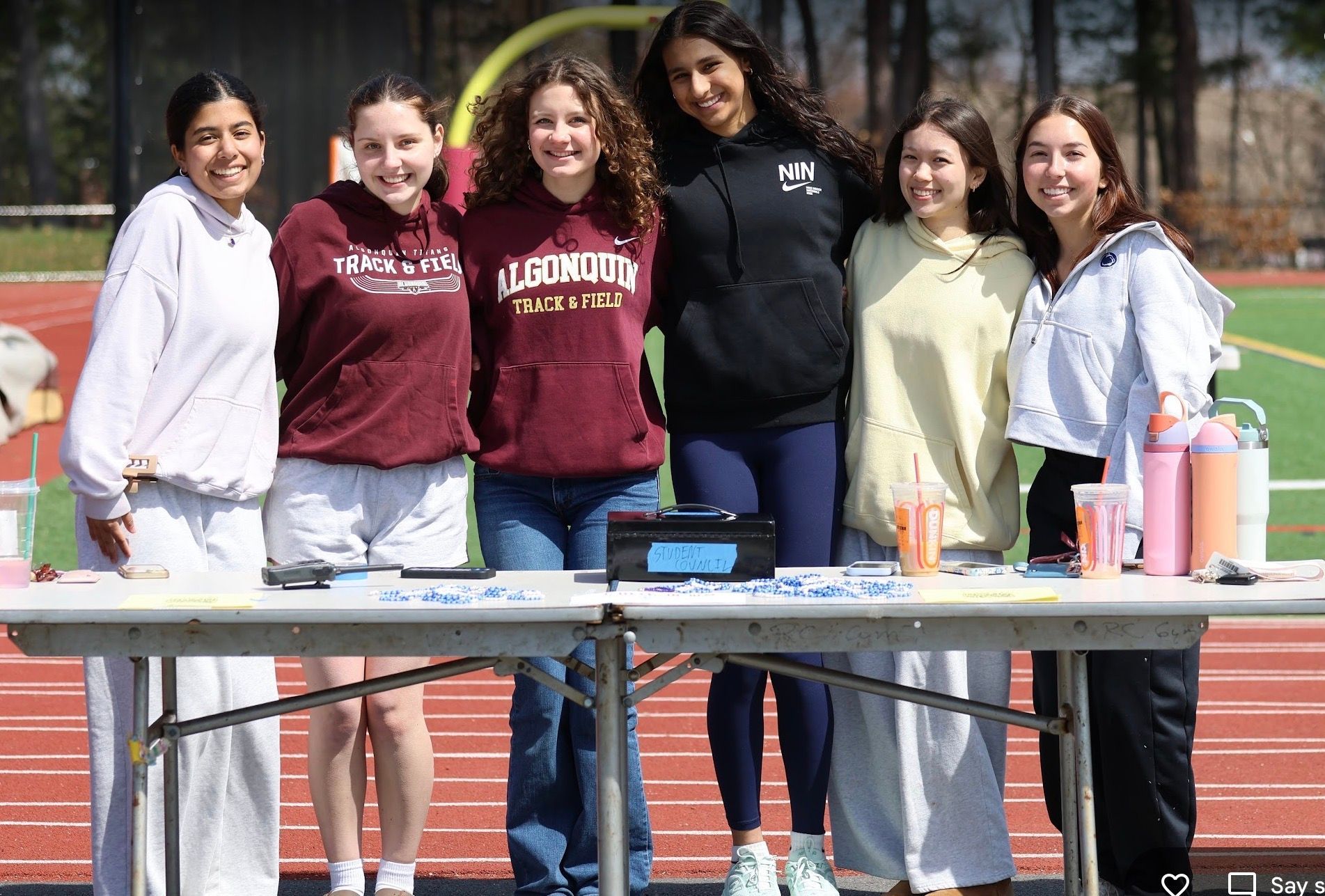
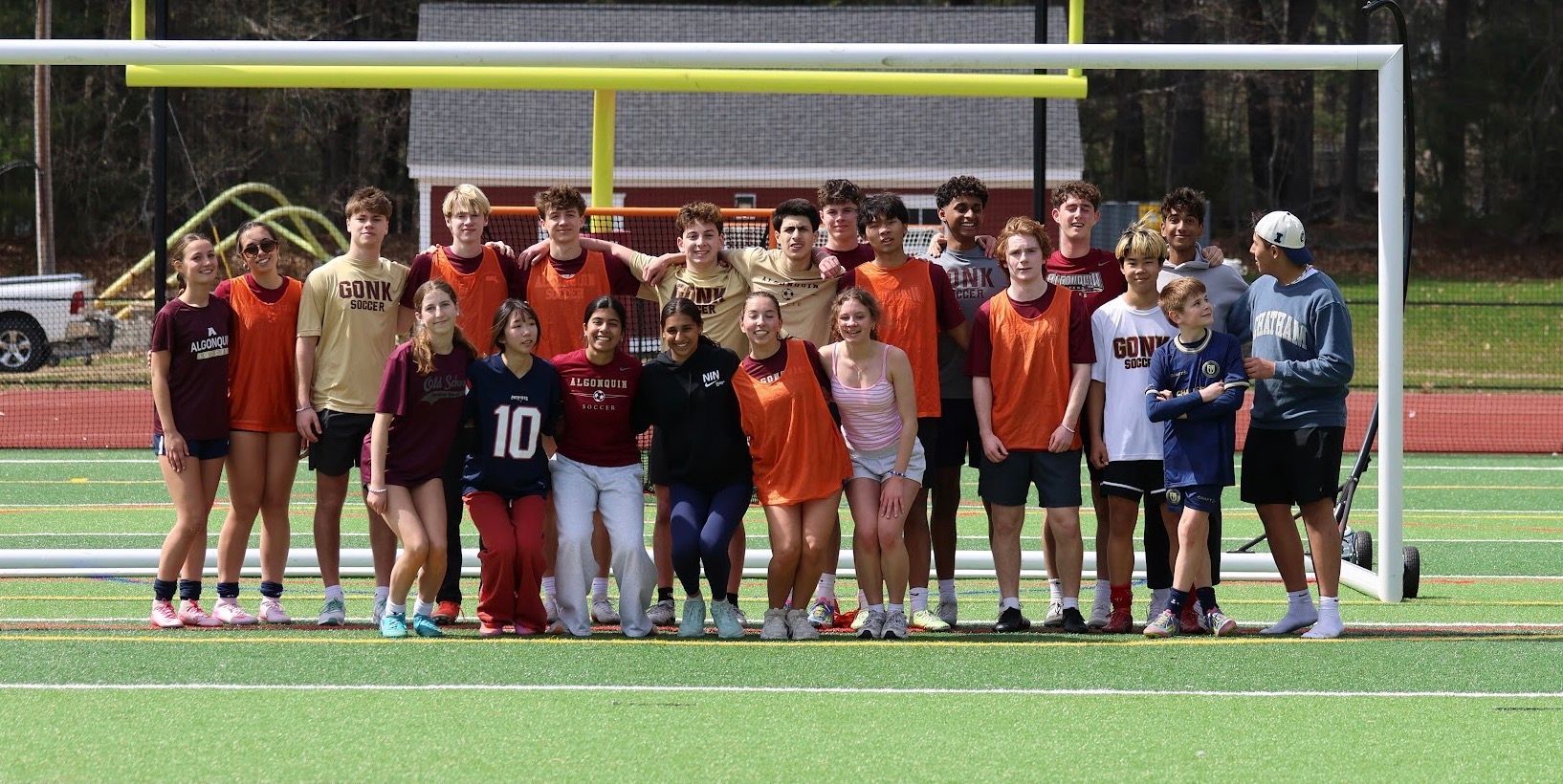
May is Brain Cancer Awareness Month — a time to honor the children and families fighting and to celebrate the communities rallying behind them. It feels fitting, then, to share a story that moved us deeply last month: on April 12, Algonquin Regional High School's field came alive with music, laughter, and the kind of energy that reminds you what community is really made of. Students and community members gathered for Kickin' It for Kasey — a carnival and fundraiser organized by the ARHS Student Council in honor of LBF Hero Kasey Zachmann, who passed away in August 2025 after a courageous four-year battle with an aggressive form of medulloblastoma.


Kasey's mother, Alyssa Zachmann, is an Algonquin alum — and when Student Council members learned about Kasey's story this school year, they were moved to do something meaningful. What followed was months of planning, learning, and organizing that culminated in a beautiful spring afternoon dedicated entirely to honoring a little girl whose light, joy, and determination continue to inspire everyone who knew her.


All proceeds from the event benefit the Kasey Zachmann Fund for Medulloblastoma Research through the Lilabean Foundation — a fund dedicated to accelerating scientific discovery for children facing this devastating disease.

The Inspiration Behind the Event

Every year, the ARHS Student Council hosts a spring fundraiser benefiting a non-profit, but in recent years, participation has declined. That began to change at the start of this school year, when advisor Mrs. Braun mentioned that her 25-year reunion for Algonquin was coming up, and for the first time, the Student Council heard about Alyssa Zachmann and her daughter, Kasey.


The idea started small. But as the winter months arrived and the students learned more about Kasey — her battle with medulloblastoma, her joyful personality, her love of music — the motivation to act grew into something unstoppable. Service Committee co-leads Ciara and Aanya began shaping a vision: a community-wide carnival event with activities inspired by Kasey herself.


"At the start of the year, it was solely an idea," Aanya shared, "but when winter came, the more we learned about Kasey, the more we were inspired to do something. We learned about Kasey's favorite activities and tried to incorporate them into the event."


A key turning point came during a Student Council meeting when the group watched a video interview Kasey had given. Seeing her — vibrant, funny, full of life — gave the students something that no statistic could: a reason. "Seeing such a young girl who was full of vibrant life and laughter gave us a reason to organize an event and honor her," Aanya reflected. And learning about everything Alyssa had contributed to Algonquin as a student gave the council an added sense of purpose — a chance to give back to one of their own.

A Day Built Around Kasey

The weather cooperated beautifully, and the outdoor setting brought the event to life. On the main field, two soccer games anchored the afternoon — first, a youth game featuring Northborough and Southborough recreational teams, followed by a spirited mixed game between Algonquin's own girls' and boys' varsity squads.


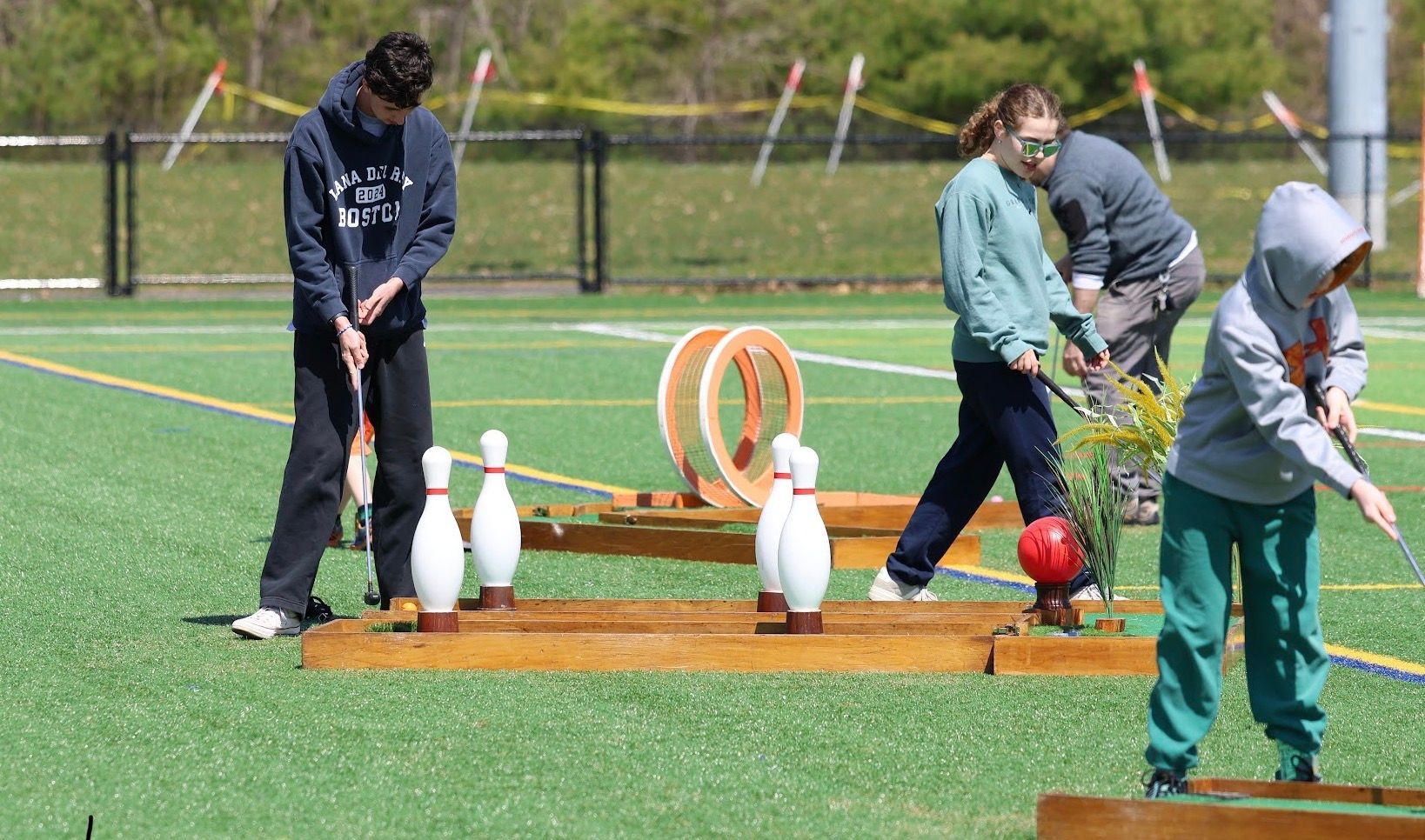
Around the field, carnival booths run by the Social Studies Honor Society, Art Honor Society, and Student Council offered a treasure hunt, face painting, and bracelet making. Mini golf and lawn games drew huge crowds, food trucks lined the parking lot, and rainbow balloons brightened every corner of the venue.


Woven through it all was Kasey's own playlist — the music she listened to during chemotherapy. "It reflected parts of her personality and who she was," Aanya said. "I felt like the event was much more meaningful with that touch."

The Moments That Mattered Most

When asked about her favorite part of the day, Ciara didn't hesitate: it was the chance to speak directly with Kasey's family. "It put a face to the people we wanted to benefit," she said, "and seeing their gratitude made the entire process worth it."


That connection — between the students who had spent months organizing and the family whose daughter inspired it all — is at the heart of what makes events like Kickin' It for Kasey so powerful. It's easy to fundraise for a cause. It's something different entirely to truly know the person behind it.


For the ARHS Student Council, learning about Kasey transformed an annual tradition from a routine fundraiser into something personal. Into something urgent. Brain tumors are the leading cause of cancer-related death in children in the United States, yet pediatric brain cancer receives only a fraction of federal cancer research funding — less than 4% of the National Cancer Institute's budget goes to pediatric cancer research, and only 8% of that goes toward pediatric brain tumors. Private fundraising efforts like Kickin' It for Kasey aren't supplemental. They're essential.


The students understood this. And that understanding turned their spring fundraiser into something Algonquin will remember for years to come.

A Message from Kasey's Family

Kasey's mother, Alyssa Zachmann — a proud Algonquin alumna — was present for the event, and her words say everything:


"Our family was honored that ARHS chose to honor Kasey and raise money for the Lilabean Foundation. We are inspired by the dedication of the students and so thankful for the hard work they put in to creating a fun day that Kasey would have loved. Welcome to Team KVZ, ARHS!"


Kasey Zachmann passed away on August 16, 2025, after four years of fighting medulloblastoma with extraordinary strength and grace. She endured 10 surgeries, 45 proton radiation treatments, multiple chemotherapy cycles, and two clinical trials. Through it all, her love of music, her kindness, and her determination never dimmed.


The Kasey Zachmann Fund for Medulloblastoma Research was established in her memory to carry forward research to help children like Kasey. Current LBF-funded projects in her honor include PNOC044 — the first-ever clinical trial testing hormone therapy for relapsed medulloblastoma — and a translational imaging initiative through the Children's Brain Tumor Network that will make medulloblastoma data more accessible to researchers worldwide.

Welcome to Team KVZ, ARHS

Alyssa Zachmann's words — "Welcome to Team KVZ, ARHS" — are more than a thank you. They're an invitation. And the Algonquin Regional High School Student Council accepted it wholeheartedly.


What the students at Algonquin demonstrated last month is something LBF sees in our community every year: that the fight against pediatric brain cancer doesn't belong to researchers and doctors alone. It belongs to every person willing to show up, to learn, to care, and to act. It belongs to high schoolers who stay after class to plan a carnival andwho study a little girl's playlist so that her music can fill a field full of people who never met her but are honoring her all the same. As we mark Brain Cancer Awareness Month this May, their example is a reminder of what it looks like to truly show up for a cause.


To the ARHS Student Council, Mrs. Braun, and everyone who attended, volunteered, donated, and played mini golf in Kasey's name: thank you. You've joined a community that fights 365 days a year for children like Kasey — and your commitment to this cause is felt deeply.


If you'd like to support the Kasey Zachmann Fund for Medulloblastoma Research, you can make a gift at lilabeanfoundation.com/kasey-zachmann. Together, we move closer to the day no family has to hear the words "your child has brain cancer."

A blue graphic with yellow text reading:
April 3, 2026
When Justine Carr laces up her running shoes and crosses the finish line of the Bend Half Marathon this spring, she'll be carrying more than miles in her legs. She'll be carrying the memory of a little girl who danced, told jokes, asked questions, and showed up every single day with a smile that could fill a room. Cameron Corno was Justine's kindergarten student and one of the bravest people Justine has ever known. Cameron passed away on June 6, 2025, after a five-year battle with ependymoma, an aggressive pediatric brain cancer. She was six years old. But in the years since Justine first set her goal to run a race in all 50 states, Cameron's spirit has quietly shaped that mission into something far greater than a personal achievement. Bend, Oregon, will be state #47. And Justine is running it — as she has before — for Cam.
Text reading
March 31, 2026
This Women's History Month, the Lilabean Foundation honors the extraordinary women who surround children fighting brain cancer — from researchers driving collaboration to friends who simply refuse to let go. Every March, the world pauses to honor the women who have shaped history — the pioneers, the trailblazers, the voices that refused to be silenced. But some of the most extraordinary women doing the most extraordinary work don't make headlines. They make meals. They make calls. They make sure that a mother caring for her sick child has someone to talk to. Behind every child fighting for their life is a remarkable network of women — researchers who build bridges between science and hope, and friends who simply refuse to let go. Their work looks different. Their titles are different. But the thread connecting them is the same: an unwillingness to accept the status quo, and an insistence on showing up. This Women's History Month, the Lilabean Foundation is honored to highlight two of those women. Gerri Trooskin, Director of Partnerships at the Children's Brain Tumor Network, who works every day to ensure that no child's experience is lost and that the science of healing moves faster because people choose to collaborate rather than compete. And Alexandra Byrnes, LBF Board Member and close friend of Stewi Corno, mother to LBF Hero Cameron Corno, who knows firsthand what it means to show up when the stakes could not be higher. Together, their stories paint a portrait of what it looks like when women lead with purpose.
Two laboratory researchers work inside a biosafety cabinet, examining samples through a microscope w
January 29, 2026
For families facing a pediatric brain tumor diagnosis, one thing quickly becomes clear: care, information, and expertise are often spread across many hospitals and systems. While clinicians and researchers work tirelessly, the data that could help connect the dots is often fragmented, sealed in different formats, institutions, and silos. A newly announced national initiative, PCX (Pediatric Care eXpansion), aims to change that. Backed by up to $50 million in milestone-based funding from the Advanced Research Projects Agency for Health (ARPA-H), PCX is designed to dramatically improve how pediatric health data is shared, starting with pediatric brain tumors. Why This Matters to Our Community At the Lilabean Foundation, we believe progress happens when science and community come together. PCX represents a meaningful step toward a future where no child’s story is broken by fragmented data and where every child benefits from what we learn together. Why Data Sharing Matters So Much Today, a child’s clinical information, like doctor notes, scans, and treatment details, often lives separately from research data, and research data has not historically supported clinical data. Moving information from one place to another has historically required people to manually copy and paste data… a slow, expensive process that makes it nearly impossible to scale nationally. Even when hospitals agree to share data, it can be cumbersome to access and integrate. When care happens across multiple institutions, something that is common in pediatric brain cancer, the patient's clinical data becomes fragmented, making it challenging for researchers to see the full picture of a child's clinical journey. PCX is designed to address this challenge by creating a space between clinical care and research, where clinicians can view patient information in the context of prior patients, research cohorts, and real-world outcomes to support decision-making. At the same time, this information contributes to broader, governed research datasets, strengthening their completeness and accuracy for discovery and learning at scale. The Role of CBTN and the RADIANT Platform This initiative builds on years of groundwork laid by the Children’s Brain Tumor Network (CBTN) , a global collaboration that has already shown what’s possible when institutions share data and samples responsibly. At the heart of PCX is RADIANT , a secure data platform developed through CBTN. RADIANT is being trained to use artificial intelligence (AI) to do something incredibly important and incredibly practical: Read unstructured clinical notes (like PDFs or free-text reports) Translate them into structured, searchable data Reduce the need for manual data entry at participating sites Allow insights from research to eventually inform clinical care Why Pediatric Brain Tumors Were Chosen First There were two major reasons pediatric brain tumors were an ideal starting point for testing this model. First, pediatric brain tumors are among the most complex diseases to study. If a system can work here, where data comes from many sources, types, and institutions, it can work for many other pediatric conditions, too. Second, the groundwork for this moment was laid years ago, including through early philanthropic investments. The Lilabean Foundation helped make this possible by supporting CBTN’s “Project Accelerate,” a multi-year effort to expand the network’s capacity to process and use large volumes of brain tumor data. As part of that commitment, LBF funded over $650,000 to hire data engineers and bioinformaticians and help build out CBTN’s data infrastructure, enabling the consortium to handle more complex data and accelerate discoveries in our first multi-year gift back in 2021, and has continued to build on this commitment by donating to continued efforts to build a solid infrastructure at CBTN. Critically, Project Accelerate also enabled the generation of robust molecular data for patient samples that had not previously been accessible to researchers. This retrospective molecular data now provides essential context for ongoing and future research and becomes even more valuable as new patients receive clinical sequencing, allowing comparisons across time, cohorts, and treatment approaches. That investment, along with additional support from the Lilabean Foundation and other philanthropic partners, strengthened data standards, broke down silos, and expanded CBTN’s ability to create usable, research-ready datasets, making the network better prepared to pursue ambitious national initiatives like PCX. These capabilities—deep molecular data, strong data standards, and durable infrastructure—are foundational to RADIANT’s ability to connect clinical care data with research context in meaningful ways. Today, CBTN, once a consortium of just a few institutions, is a global network with trusted partnerships, shared standards, and a collaborative culture that makes scalable data sharing possible. As leaders involved in the PCX initiative put it plainly: “This could not have happened if CBTN wasn’t prepared with established infrastructure and resources.” That readiness didn’t happen overnight. It reflects years of scientific progress and thoughtful investment from partners like the Lilabean Foundation.
SHOW MORE