Hope in the Face of Recurrence: A Mother's Reflections on her Daughter's Battle with Anaplastic Ependymoma
March 27, 2020, marked the beginning of a journey that would test the resilience of the Corno family in ways they never imagined. Our
LBF Hero Cameron, just 18 months old at the time, was diagnosed with anaplastic ependymoma, setting off a series of challenges that would redefine their lives. Today, as we reflect on Cameron's journey since that fateful day four years ago, Stewi Corno, Cameron's mom, shares her thoughts and experiences, offering insights into the highs, lows, and the unwavering strength that has sustained them through it all.
Can you tell us a little bit about your journey with Cameron's diagnosis and treatment for Anaplastic Ependymoma since she was diagnosed in March of 2020?
Cameron was initially diagnosed with brain cancer as an 18-month-old on March 27, 2020. Her initial symptom was occasional vomiting. As it started getting worse, the medical team decided to “rule out neuro” and in the process, uncovered the cancerous tumor, a grade 3 anaplastic ependymoma, which required emergency surgery.
As you may have put together, with the diagnosis occurring in March 2020 it was early stages of COVID, so the hospital was under strict guidelines for only 1 parent with minors and no visitors for adult patients. Thankfully, after a week of rotating shifts between Andy and I, the hospital made an exception to allow 2 parents at the bedside due to the severity of the situation. The initial resection neurosurgery took 14 hours, it was excruciating, especially not being able to see or hug our parents, families, or friends.
Three neurosurgeries in 10 days, a week on a ventilator, PT/OT/SLP therapies for recovery, 7 weeks of proton beam radiation, 4 rounds of intensive in-patient chemo, 1 year of metronomic (maintenance) at-home chemo and she was cancer and treatment free December 2021! Cameron was a healthy, happy 3-year-old girl enjoying soccer, tennis, dance, swimming, school, going to the beach, playing with friends and cousins… living her best life!
In 2022 she had scans every 3 months. All clear. They remained stable. “Scanxiety” was still in full effect, but we remained cautiously optimistic. Cameron was thriving and that made us more hopeful. In 2023 she moved to scans every 6 months. That was an exciting, but nerve-racking milestone, yet giving us more hope and optimism than ever before.
In a routine scan on August 2, 2023, while Cameron was still sedated and in recovery, multiple doctors came in the room and we received the worst news of our lives…” The cancer is back”. Once you go through the “your kid has cancer” conversation, you think you’d be prepared to handle it again, but nothing prepares you for the second time. All those feelings of hope and optimism are shattered in that instant, bringing you right back to the darkest moments of the initial battle. It’s a mixture of emotions, especially with our 4-year-old daughter right there… sleeping peacefully, blissfully unaware of what’s to come, appearing healthy, symptom-free and perfect on the outside. On one hand, we were grateful for the year and a half of normalcy our family had, and on the other hand, we were filled with anger and doubt that it came back so quickly. The doubt sounds something like this - all the treatment that made her so sick, was it worth it? Did it buy us more time or not actually help?
So there is a tumor in her MRI. The cancer is back. Now what?
Nonstop meetings take place over the next few days to make a plan. Cameron’s neurosurgery is scheduled for August 9th. We enjoyed a fun-filled weekend of the beach and pool, soaking up the last few days of a “normal” summer. The surgery went well - gross total resection, meaning >95% of the tumor was successfully removed. Recovery consisted of getting admitted to a rehabilitation hospital and intensive therapies (OT/PT) to rebuild her physical strength to learn to sit, stand and walk on her own.
After she recovered from surgery, she began proton beam radiation again in September 2023. On the first day of radiation treatment, the molecular studies came back with some devastating news and an impossible decision to make about our path forward.
The molecular tumor studies showed Cameron’s tumor recurrence contains the “6q-loss” mutation, which is known in medical journals for having a “dismal survival rate”. According to the medical team, 6q-loss has a ~90% chance of recurrence, a >60% chance the recurrence will spread/metastasize (making it harder to treat, likely inoperable), and a 5-year overall survival (OS) rate of less than 10%. We haven’t lost hope, but it was extremely difficult to come to terms with this new information - with very little time to deliberate on the treatment plan.
What came next was the hardest decision we have ever had to make - an example of the limited treatment options and impossible decisions pediatric cancer families have to make every day. There is currently no FDA-approved method of treatment, though early studies are showing major promise in combining 5FU (chemo drug) with radiation for ependymoma patients. Since this is a pre-trial treatment path, it is up to the parents on how to proceed. Combining this chemo drug with radiation contains the possibility of severe side effects these can manifest as issues with the following - balance, pressure headaches, memory loss, personality changes, seizures, issues with breathing or swallowing, face drooping, inability to move her left side, and in some cases, can be fatal. Unfortunately, it isn’t possible to adjust the treatment plan real time since these potential risks often don’t occur until 12-24 months after the treatment.
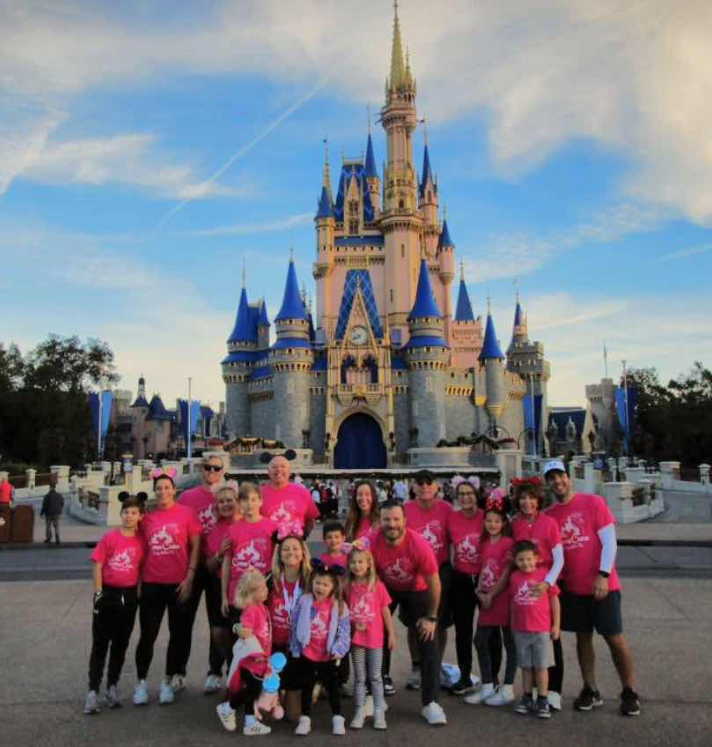
After weeks of discussion, research, and prayer - we ultimately decided to move forward with the 5FU chemo treatment in conjunction with radiation. Cameron finished the radiation + 5FU chemotherapy combination in October and she has handled it well - so far. During the break between radiation and chemo, Cameron recovered and even got to go on her Make-A-Wish after being postponed from October with our family, including all 6 of her cousin besties, aunts and uncles, and grandparents!
After the trip of a lifetime, we returned home, and Cameron began the experimental chemotherapy treatment plan to treat the 6q-loss mutation. The “typical” chemo side effects may consist of increased fatigue, flu-like symptoms, nausea, vomiting, diarrhea, hair loss, suppressed immune system, headaches, bleeding, etc. - as well as the risk of stomach ulcers and damage to the GI tract.
Right now, Cameron is in the 3rd round of this experimental chemotherapy treatment. How’s she handling it so far? That’s a complicated question. Each round has landed her in the ER and admitted to the hospital due to GI challenges, multiple infections, and sepsis scares, which were actually a result of severe dehydration from the nonstop diarrhea. But back to the question…so far, she’s handling round 3 of chemo very well, today, she is at school, last week she participated in dance, and she even went to soccer after her chemo infusion last week! Bottom line, we are currently having more good days than bad days - and so grateful for the good days!
How has this recurrence affected your family's daily life and routines?
Cameron’s recurrence has significantly impacted our family’s daily life and routines in so many ways. The most significant difference this time is Cameron’s little sister, Kaitlin, was born on November 11, 2020. Thankfully, Cameron was through the majority of the treatment before Kaitlin was born, and we only had to juggle the maintenance chemotherapy with a newborn. When the recurrence happened, Kaitlin was 2 years old and watching her try to understand where her parents are and what’s happening to her big sissy has been the most challenging part of all.
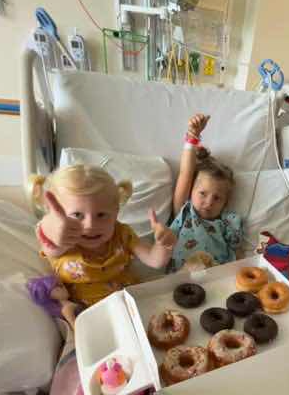
Kaitlin spent weeks hopping between grandparents, an AuPair transition, and neighbors while Andy and I lived in the hospital with Cameron. We are now in a more stable place with Cameron’s treatment, so we are able to maintain Kaitlin’s routine - even when Cameron is at treatment or admitted. Going through this without COVID restrictions has given us the ability to lean on our village of family, friends, and neighbors. We’ve brought Kaitlin into the hospital to see Cameron whenever we think it might help lift either of their spirits, and that’s been really special but can be disruptive to Kaitlin’s routine when it’s time to leave her. It’s not all bad, though; the sweet sister bond Cameron and Kaitlin have formed through all of this, and Kaitlin learning to have empathy, like the fact she wants to be a doctor when she grows up.
Of course, other aspects of our life have been impacted by the recurrence too - like not being able to travel or plan ahead, missing family events, like the annual Carolina beach trip with Cameron’s cousins; childhood milestones being impacted, like missing the first day of school - among so many other things. Plus, the fact that both of Cameron’s parents are juggling full-time, corporate, client-facing jobs. Andy and I are super grateful to work at such supportive companies, and for the countless colleagues who have stepped up to keep everything running smoothly.
What are some of the biggest challenges you've faced since Cameron's recurrence?
Cameron had her fifth brain surgery - just 3 weeks prior to her fifth birthday, and the 3 weeks following were much harder than we could have ever imagined.
The main difference between 2020 and 2023 post-surgery recoveries, was in 2020, she had to relearn how to talk again, which required speech therapy, and luckily in her most recent recovery, her speech and cognitive function were not impacted. However, teaching an almost 5-year-old to walk again is much more difficult than an 18-month-old.
As expected, we spent a few weeks in-patient in the PICU, followed by Neuro floor. Cameron was then transported to the National Rehabilitation Hospital for intensive in-patient therapies, which took a toll on Cameron and our family. Although the surgery went well, Cameron had paralysis on her left side and had to relearn how to use her entire left side, which meant learning to move her hand, arm, leg, etc, again. Milestones like sitting, standing, and walking were the focus while in intensive rehab. Her schedule would consist of 60-90 minutes of OT and PT - multiple times a day. Lots of pep talks and tears every day. The CAMSTRONG playlist was created and helped in some of those difficult moments when a pep talk wasn’t enough.
As hard as it was, watching Cameron’s strength, and resilience as she hit these milestones was the most inspiring moment of my entire life. Cameron used a wheelchair while at the hospitals, then a walker while at home, and ON HER 5TH BIRTHDAY, she started walking unassisted on her own for the first time post-surgery!!! Truly incredible to witness her determination to make her birthday wish come true.
What advice would you give to other families who may be going through a similar situation?
Leverage your network to find the best medical team you possibly can, then get second and third opinions. A fellow cancer mom once said to me, “you get 3 quotes to do a house project, but only 1 on your daughter’s brain?” Mobilize your village and community to support you. If you’re reading this and ask me or Nicole for help, you have my word that we will, no matter where you live or what the diagnosis might be. Ask for help. People genuinely want to help, and the best thing you can do is let them help in whatever way is best for your family. Simple things go a long way - planning a special play date for the sibling, dropping off arts and crafts while in the hospital, or even picking up medicine from the pharmacy. It can be nerve-racking letting outsiders into a very personal family matter, but I’ve learned that everyone’s opinions come from a positive and helpful place, and the benefits far outweigh the negatives, so here we are….spilling my guts on the internet. But if this can help another family going through this, spread awareness of the need for more research, and ultimately lead to better treatment options- then it’s worth it. Cameron’s journey becomes more than just an inspirational story - a catalyst to move the needle for all pediatric cancer research, especially the severely underfunded, leading cause of disease-related deaths in kids - pediatric brain cancer.
What are some of the things that bring you hope and joy during this difficult time?
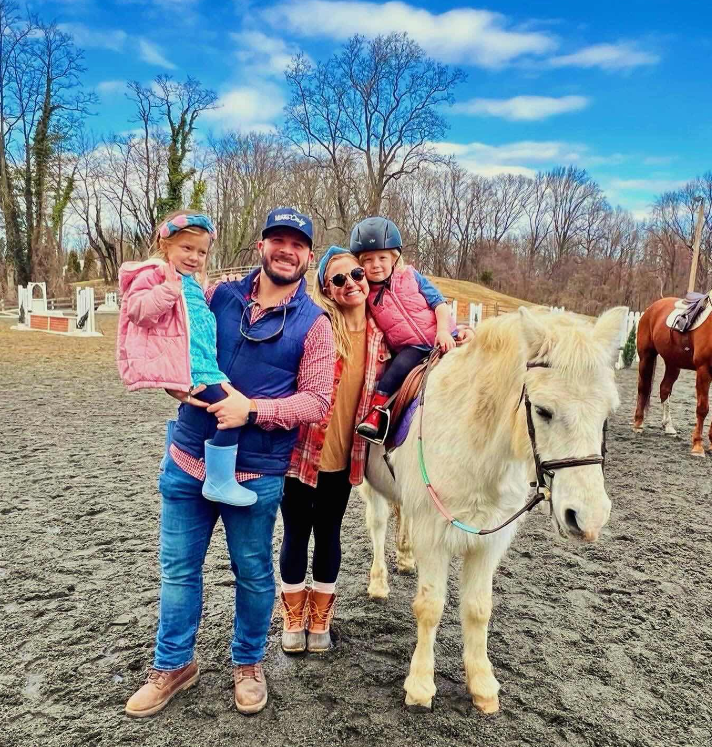
Put simply, once going through a childhood cancer diagnosis, you will forever live your life differently. We seize the day, good days are really good. What we thought were bad days pre-cancer, probably aren’t so bad after all. Cameron’s feeling well today, what should we do? It’s definitely a “YOLO” attitude, like going to the beach for the day, taking the kids sailing in Annapolis, or horseback riding for the first time. But also, appreciating and finding joy in the simple things - that may have seemed monotonous before…like giving your kids a bath at home (vs the hospital), being able to read books in her own bed, getting to do bedtime with both kids together. Read the extra book or 3. These things are exhausting and dull to most parents of young kids, but I try to savor and appreciate them now. Just ask Andy how long the bedtime routine can take some nights!